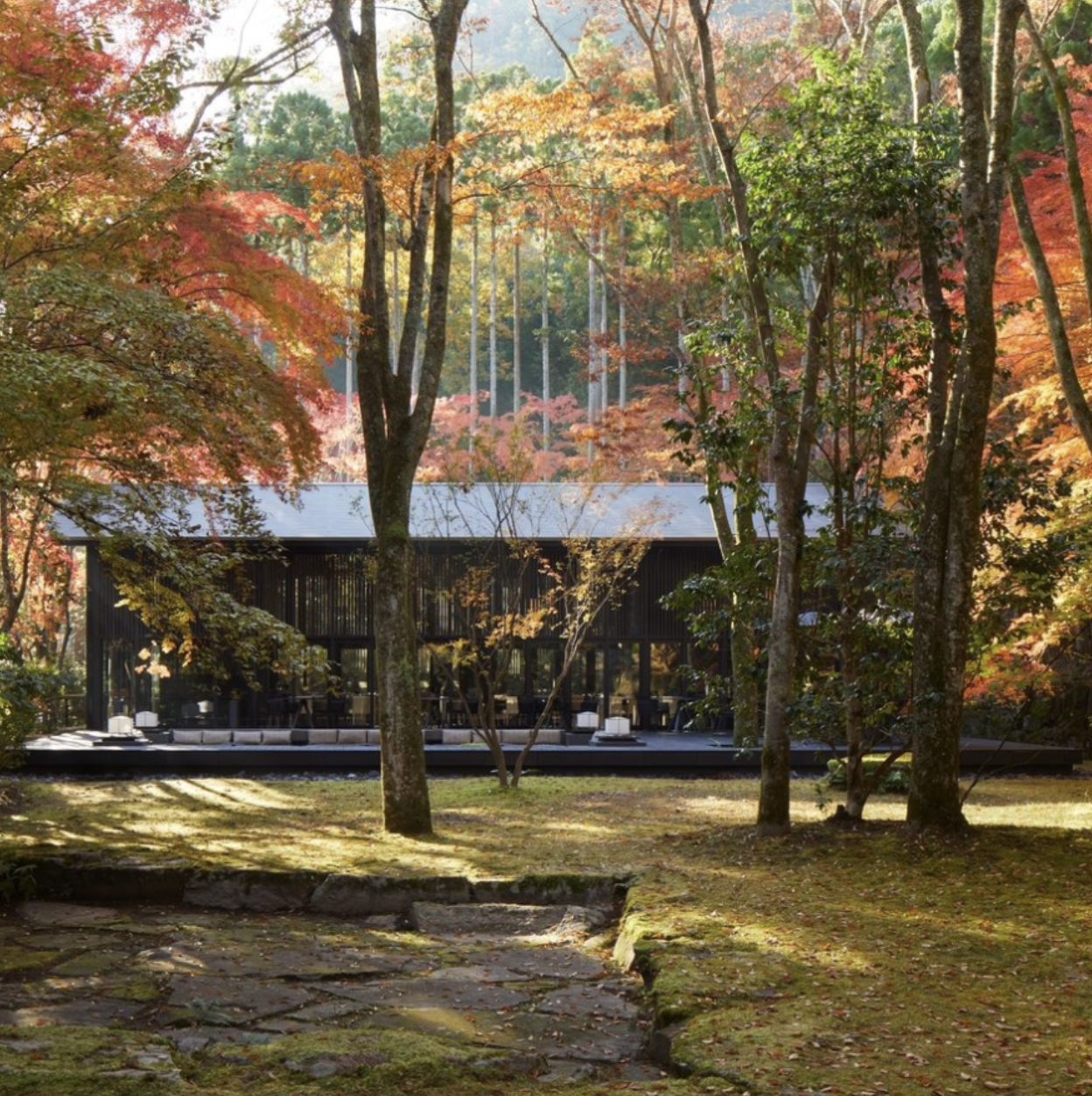
There was a time in my life — about ten years ago — when I was running so fast that I didn’t realize I had stopped breathing.
I was doing deals across countries, solving other people’s problems, living on adrenaline, and convincing myself that exhaustion was a badge of honour. I didn’t call it burnout. I called it ambition.
But the truth is: I was very close to burnout, and I didn’t even see it coming.
A Personal Turning Point
My mother did something mothers instinctively do — she sensed trouble even before I admitted it. She introduced me to a Chinese medicine doctor in Bangkok. A quiet Thai-Chinese gentleman who practiced traditional techniques handed down through generations.
I still remember the first consultation. He didn’t ask me about my job, my goals, or my deadlines. He asked me how I slept. He asked me how I breathed. He asked me what my mind felt like when I woke up in the morning.
I didn’t know how to answer him.
His treatments — acupuncture, detoxification, herbs, pressure points, energy balancing — became my first real encounter with holistic wellness. It wasn’t a spa treatment. It wasn’t relaxation. It was a restructuring of my inner world.

Then COVID Arrived — and So Did Yoga
When the pandemic first hit, the whole world went silent. A friend sent me a pranayama video by the Indian yogi-businessman who built a wellness empire that even Unilever watches closely — Baba Ramdev.

I clicked it out of curiosity. Five minutes in, something shifted. For the first time in years, my breath had space. My mind had room. And I began to feel the early texture of stillness.
That’s how yoga entered my life — not as exercise, but as survival.
From that point on, I became my own guinea pig. I tested everything — breathwork, meditation, heat therapy, nature immersion, sleep protocols, architectural stillness, energy work, diet and cellular recovery. Not from theory. Not from books. But from the inside-out.
And every single intervention made me better — mentally sharper, emotionally lighter, physically calmer, spiritually steadier.
It convinced me of something powerful:
The future of luxury is the future of human flourishing.

Why Wellness Is the New Global Luxury (The $9.8T Transformation)
Today, the world is living through a seismic redefinition of luxury. Not driven by brands. Not driven by material scarcity. But driven by human exhaustion.
1. The Old Luxury Is Dead: Luxury Is No Longer “More”
People don’t want more things. They want more peace. More clarity. More presence.
This is why experiential luxury has overtaken material status. It’s why a quiet forest walk is more valuable than another designer bag. It’s why silence has become a commodity.
In the new luxury:
- Time is the ultimate currency
- Health is the new wealth
- Silence is the premium
- Presence is the new status symbol
We don’t want to show the world what we own. We want to feel whole inside our own skin.
2. A Global Burnout Crisis Is Driving the Shift
The world is tired. Professionals are fatigued. Entrepreneurs are burned out. Leaders are overwhelmed.
52% of employees globally reported burnout last year. Digital overload, noise pollution, sleeplessness, and information saturation have created a collective psychological deficit.
This crisis has triggered a demand for environments that reverse the damage — places engineered for rest, clarity, and mental repair.

- Wellness Has Become Economic Infrastructure
Wellness is no longer a spa amenity. It is now infrastructure, built into architecture, air, light, sound, biophilia, and community design.
The data is staggering:
Residential wellness real estate commands 10–25% price premiums
Wellness-integrated offices earn 4.4–7.7% higher rents
Wellness hotels deliver higher ADR and stronger GOPPAR
The global wellness economy will reach $9.8 trillion by 2029
Wellness real estate alone is heading toward $913 billion
Luxury and wellness have fused into a single investment class.

Thailand: The World’s New Wellness Capital

This shift positions Thailand uniquely.
Advanced medical infrastructure
World-class hospitality
Deep cultural healing traditions
30–70% cost advantage over the West
Long-stay wellness travellers averaging 13 nights
Proven success stories like Chiva-Som, Zulal, and nature-immersion retreats
Thailand is not just offering treatments It is offering transformation.
For projects like Jirung Wellness Village in Chiang Mai, this global shift is not a trend — it is a mandate. The next generation of travellers will not come to Thailand for beaches. They will come for longevity, clarity, recovery, and emotional restoration.

The Lesson I Learned the Hard Way
Wellness is no longer optional. Not for nations. Not for investors. Not for leaders. And certainly not for human beings.
A decade ago, I would have laughed if someone told me that breathwork, biophilic architecture, and sleep engineering would change my life.
Yet here I am — a practitioner, a believer, and an example.
The truth is simple:
Luxury is no longer what you buy. Luxury is how well you feel.
The world is waking up to this. Investors are waking up to this. And I woke up to this — just in time.

Leave a Reply