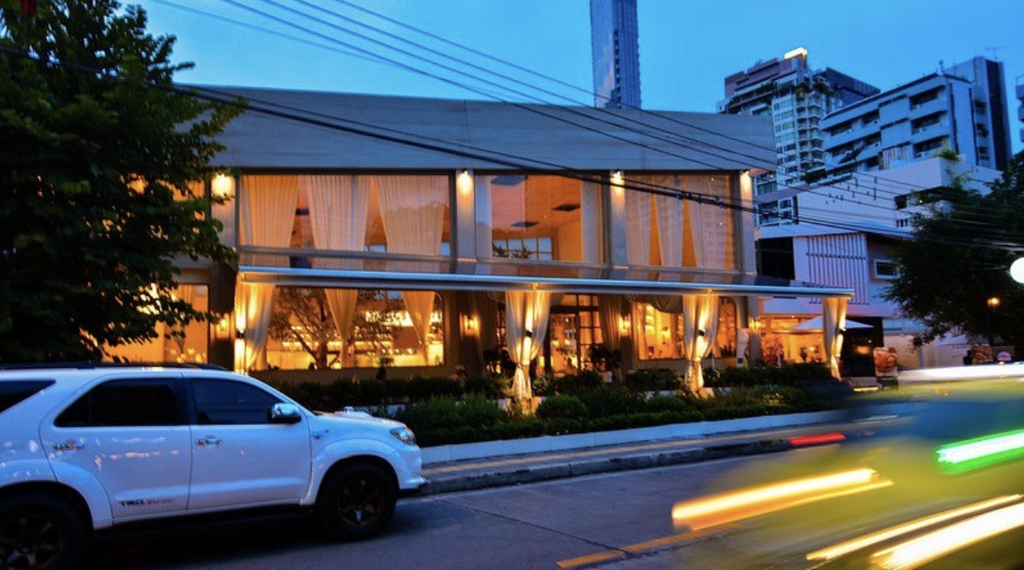
How homes, hotels, chefs and entrepreneurs transformed a quiet residential soi into one of Bangkok’s most distinctive neighbourhoods.
Sukhumvit Soi 31 has been changing quietly.
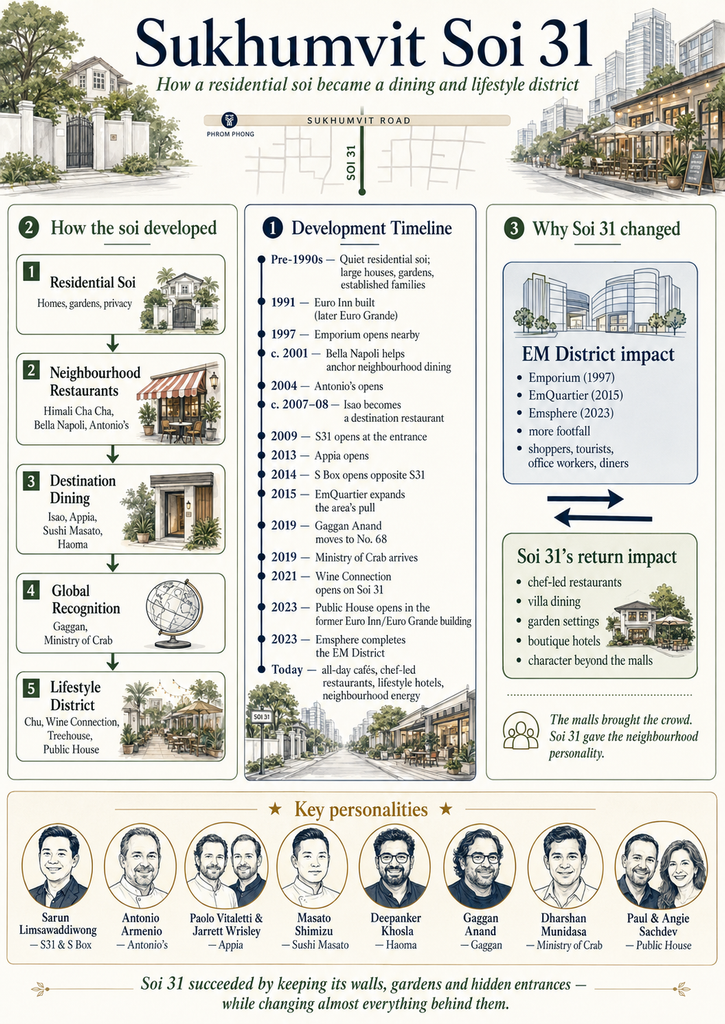
A capsule-inspired hotel appeared opposite an upscale one. Houses became Italian restaurants, sushi counters and urban farms. An unremarkable hotel from the early 1990s was reborn as Public House. Gaggan Anand moved in. Haoma grew vegetables in its garden. Antonio continued greeting customers at his tables.
And almost without anyone stopping to announce it, a residential soi became one of Bangkok’s most interesting dining streets.
Come, walk with me.
Bring the camera if you like.
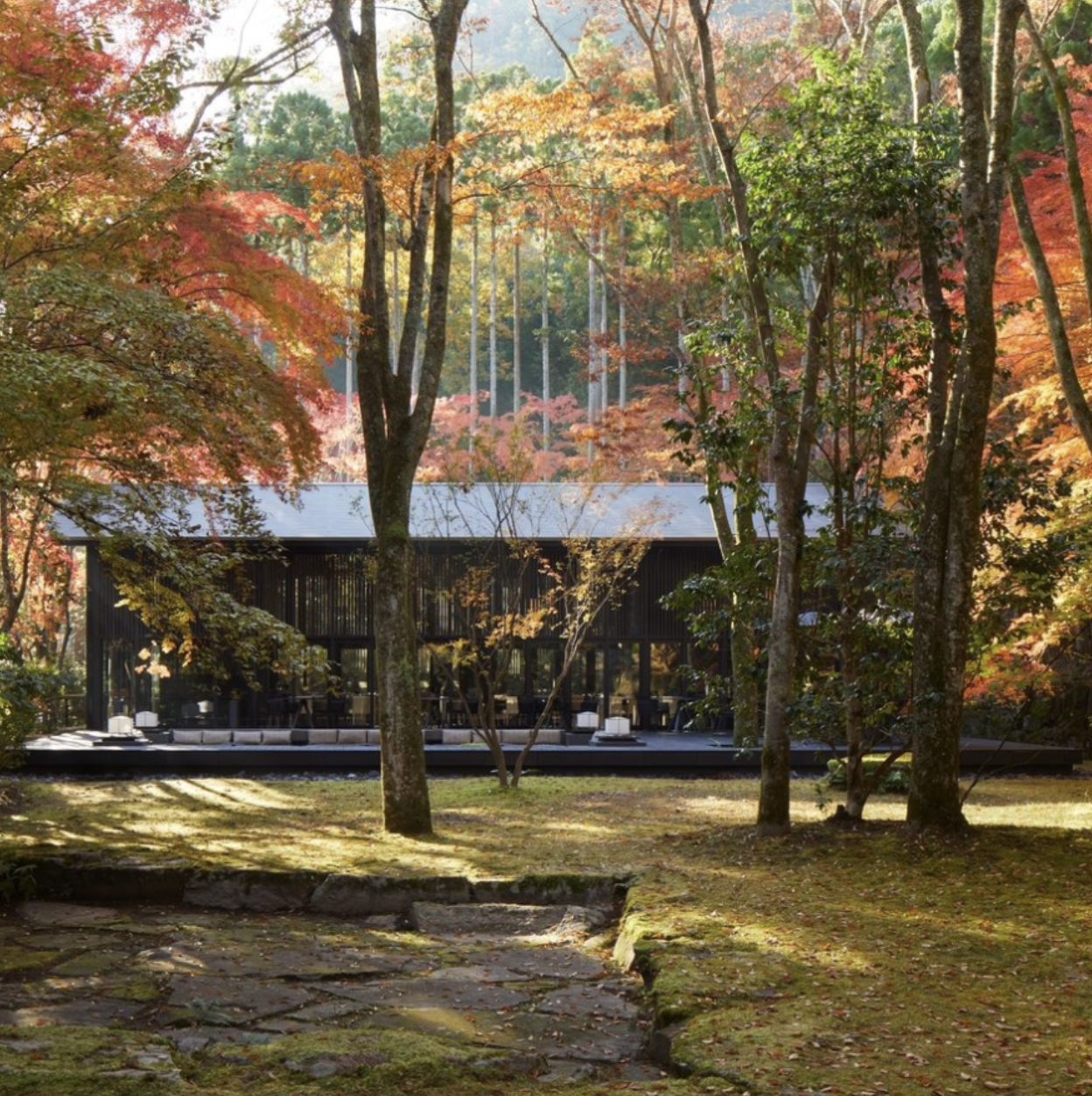
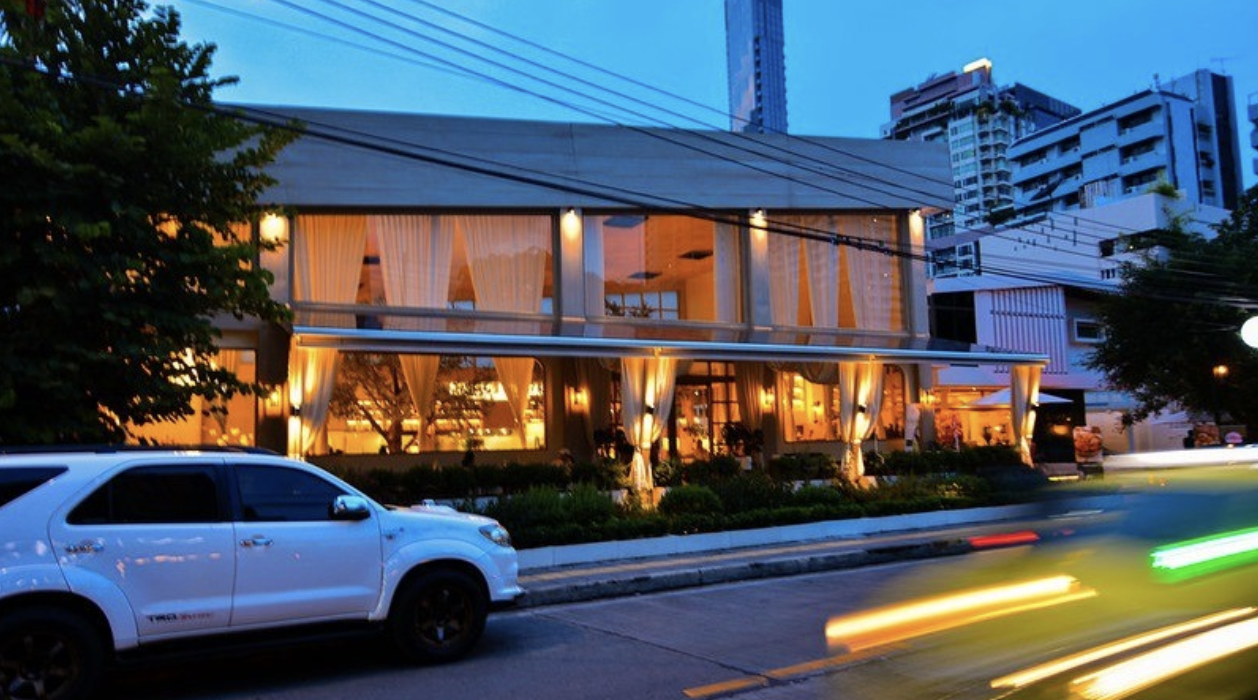
At first, Soi 31 does not appear to have the drama of Soi 11. It does not throw everything onto the pavement. The restaurants are often behind walls. The signs are discreet. You pass a gate, follow a driveway or walk through a garden before discovering what is inside.
That is part of its charm.
But before we go looking for the restaurants, let us pause at the entrance.
Because the transformation begins here.
Two Hotels Facing Each Other
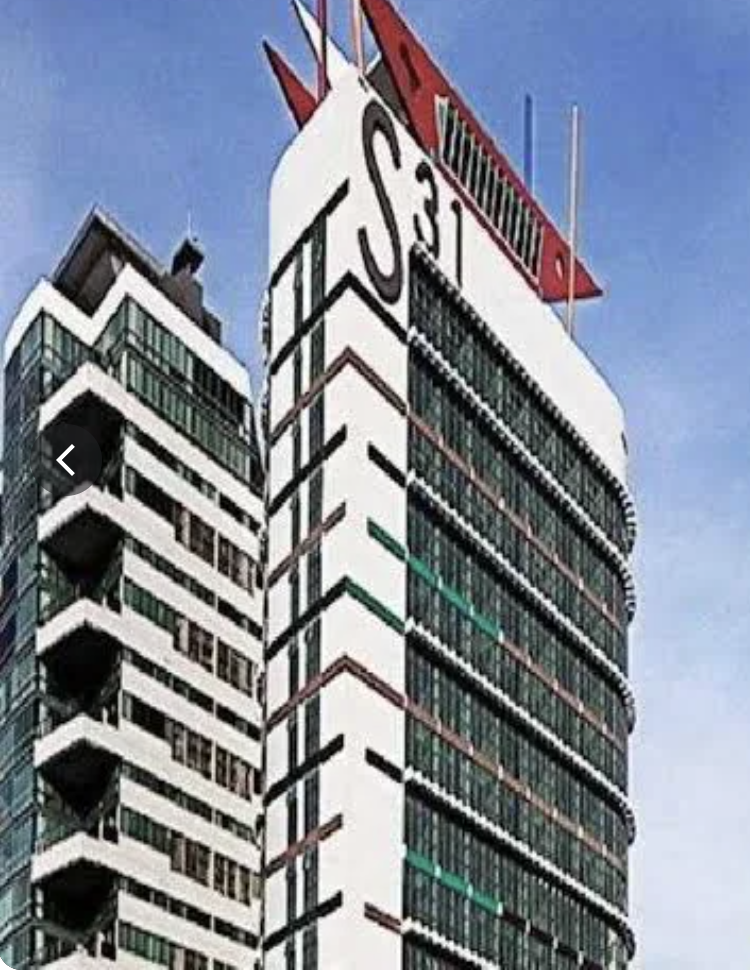
S 31 Sukhumvit Hotel
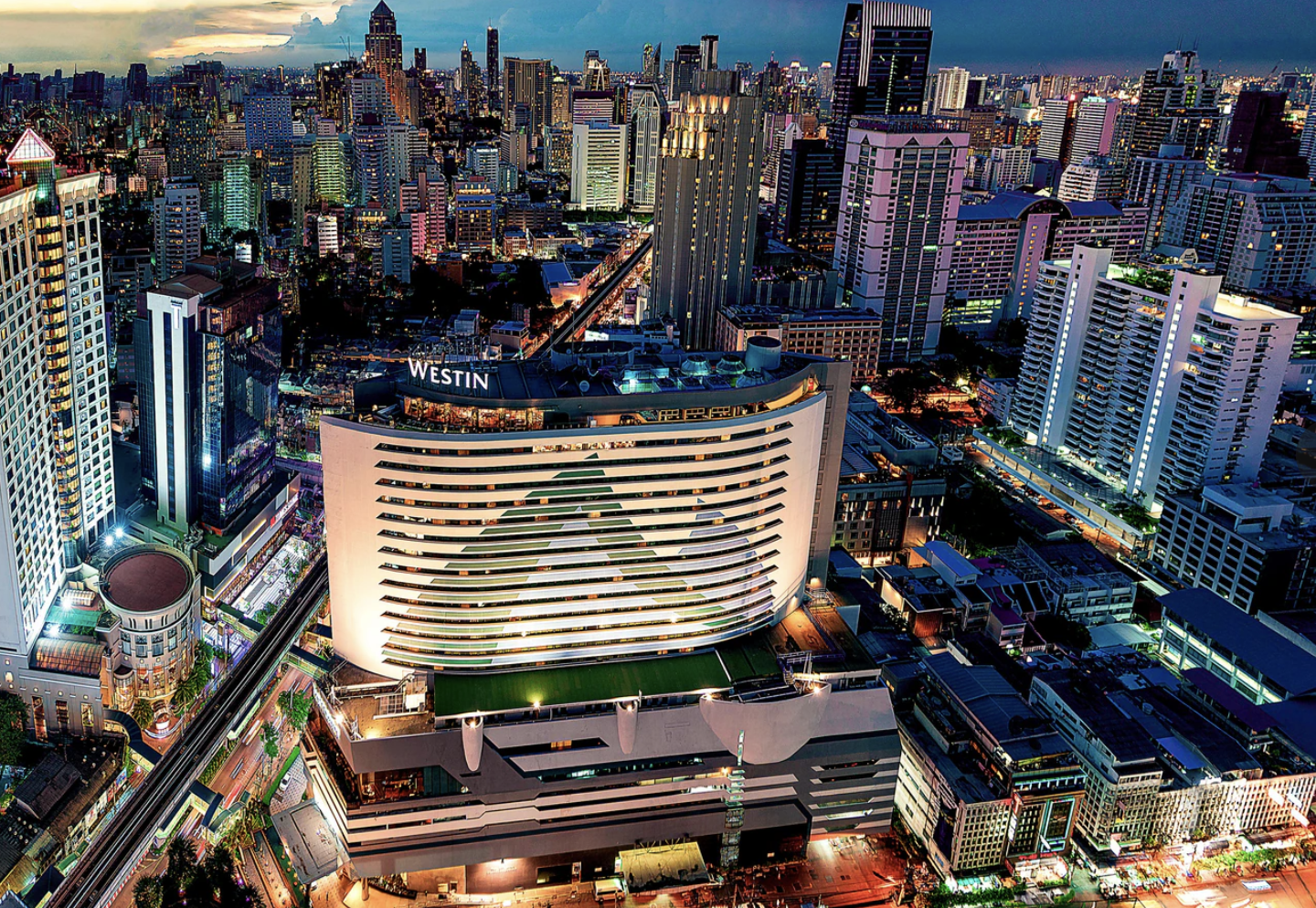
On one side stands S31.
Directly opposite is S Box.
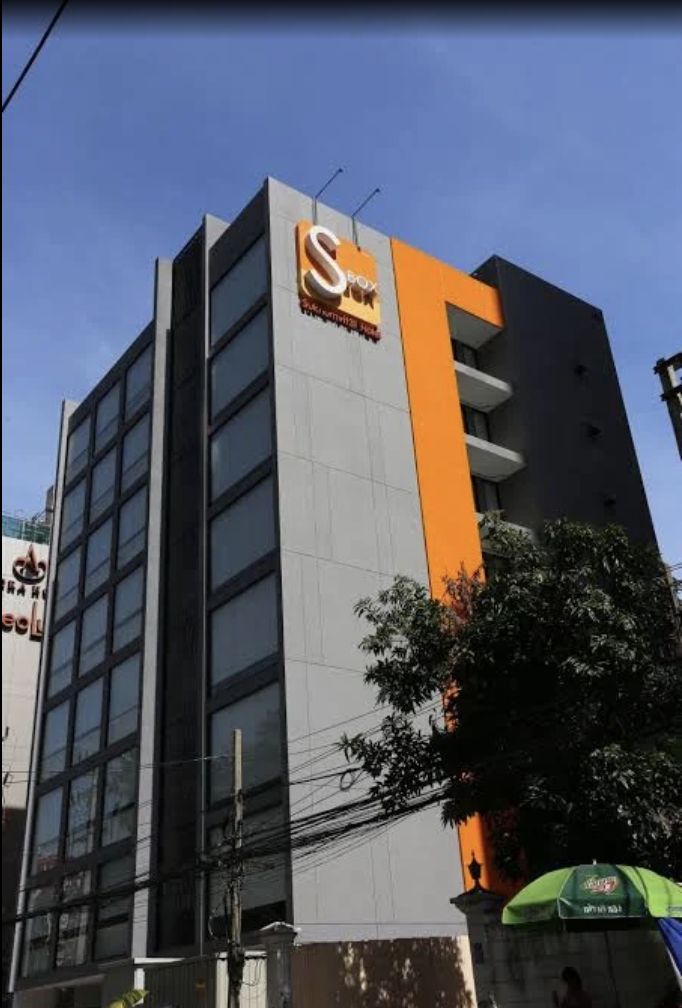
S Box Sukhumvit Soi 31
The man behind both is Sarun Limsawaddiwong.
S31 opened around 2009 and immediately changed the entrance to the soi. It brought hotel guests, taxis, weddings, functions, restaurants, deliveries and the constant movement that comes with a large city hotel.
Before it arrived, turning into Soi 31 must have felt like leaving commercial Sukhumvit behind.
After S31, the soi announced itself differently.
Then Sarun created S Box across the road.
This was inspired by Japan’s capsule hotels, but adapted for Bangkok. Rather than sleeping in communal pods and sharing bathrooms, guests received extremely compact private rooms with bathrooms of their own.
It was a clever idea for a small piece of expensive Sukhumvit land.
S31 and S Box were aimed at completely different travellers.
One was larger and more upscale.
The other was compact, efficient and affordable.
Yet together, facing each other across the road, they became the new gateway to Soi 31.
The hotels changed the entrance.
The people farther inside would change everything else.
Before Bangkok Came for Dinner
Keep walking and try to remove the restaurants from the picture.
The old Soi 31 was primarily residential.
Large houses sat behind walls and gates. There were gardens, low-rise apartments, established Thai families and expatriates who wanted to be close to Sukhumvit without feeling that they lived directly on it.
Former Prime Minister Abhisit Vejjajiva had his family home here.
That gives us some idea of what the address represented: privacy, respectability and a certain discreet affluence.
People did not come to Soi 31 to be entertained.
They came home.
And then restaurateurs began looking at those houses rather differently.
A garden could become an outdoor dining area.
A living room could become a restaurant.
A hidden entrance could create a sense of discovery.
The very qualities that made the soi residential would eventually make it commercially valuable.
Bangkok did not come here despite the walls and gardens.
It came because of them.
The Neighbourhood Around It Changes
Soi 31 was not evolving alone.
Emporium had already opened nearby. EmQuartier followed in 2015, and Emsphere in 2023.
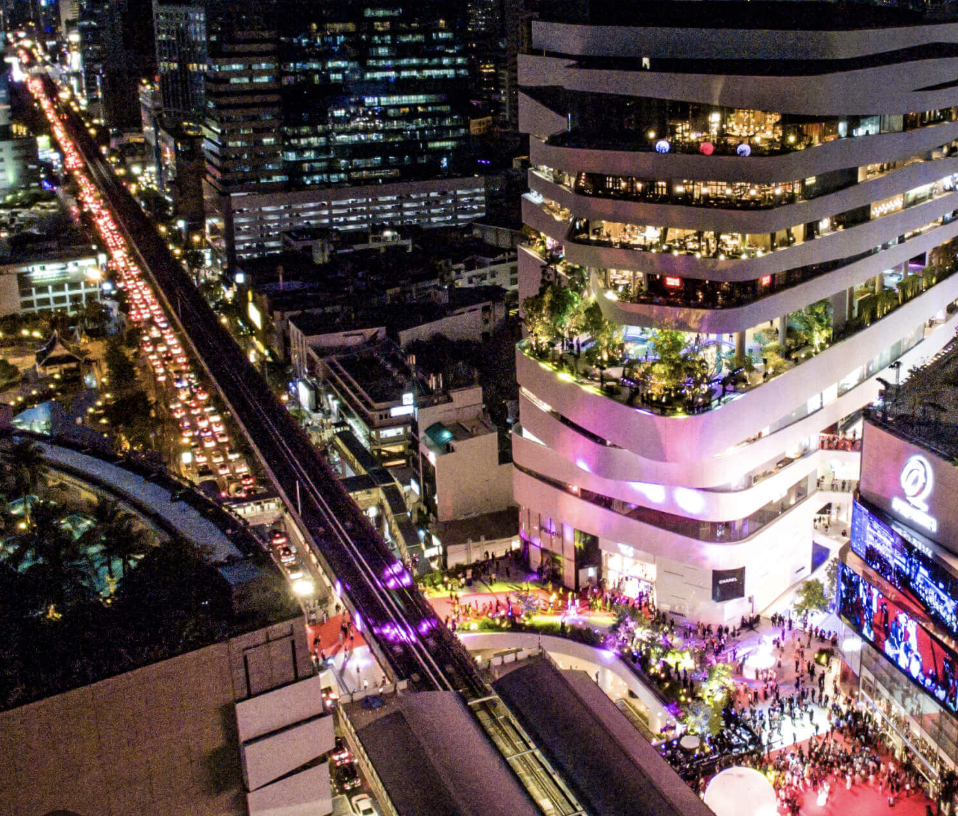
Em District – Driving the evolution of the sois (streets) around it
Together, they turned Phrom Phong into the EM District and brought a much larger audience into the neighbourhood: shoppers, tourists, office workers, expatriates and people arriving specifically to eat or be entertained.
Some of that audience naturally wandered into Soi 31.
But the malls and the soi offered very different experiences.
The EM District gave people scale, convenience and hundreds of choices under one roof.
Soi 31 offered the possibility of walking through a gate and meeting the person whose name was above the restaurant.
The malls brought the crowd.
Soi 31 gave the neighbourhood personality.
Before the Celebrity Chefs
The early restaurants were not built around elaborate philosophies, celebrity chefs or tasting menus.
They were places people trusted.
Himali Cha Cha belonged to that earlier Bangkok.
The restaurant’s history dates to 1979, although the precise year in which its Soi 31 branch opened is less clear. For years, it was one of the familiar names associated with the street: a family-run Indian restaurant serving food people already knew.
Large tables. Familiar dishes. Customers who had probably decided what they wanted before sitting down.
There was no need for a lengthy explanation of the concept.
The concept was continuity.
But the Soi 31 branch has now closed.
That matters, because the evolution of a street is not only about what arrives. It is also about what disappears.
Himali Cha Cha belongs to the memory of an older Soi 31—before Michelin stars, celebrity chefs, urban farms and lifestyle hotels.
Bella Napoli Becomes Part of the Soi
Then came Bella Napoli, around 2001.
Bella Napoli did not arrive with a manifesto about changing Italian food in Bangkok.
It settled into the neighbourhood.
That is sometimes the more difficult achievement.
Restaurants like Bella Napoli become habits. Families return. Regular customers know the staff. Children grow up and come back years later. Eventually, the restaurant seems less like a business that opened on the street and more like something that has always been there.
Before Soi 31 attracted globally recognised chefs, it needed restaurants like Bella Napoli.
They made the soi comfortable.
They gave people a reason to turn in without making an occasion of it.
And then Antonio arrived.
People Went to See Antonio
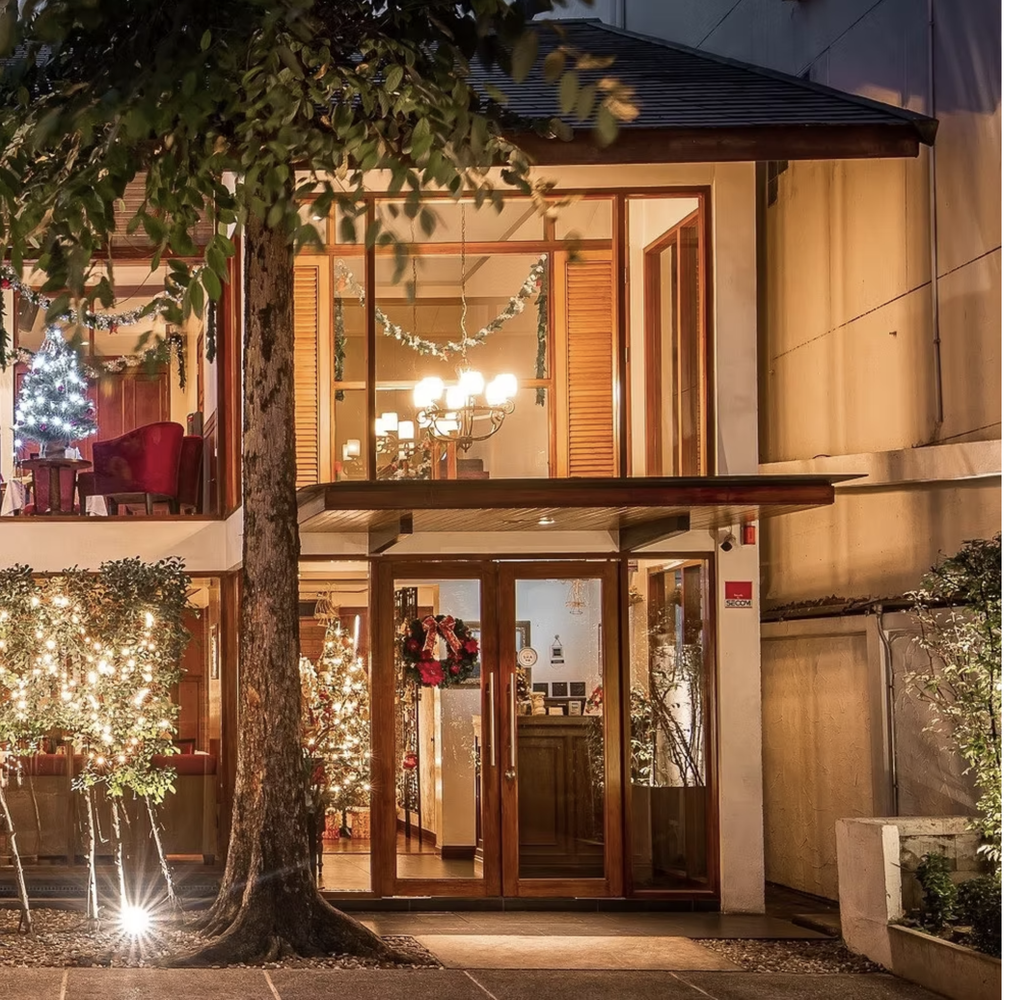
Antonio Armenio opened Antonio’s in 2004.
The restaurant served Italian food, but the real centre of the experience was Antonio himself.
He greeted guests. He moved between the tables. He remembered the people who returned.
Customers were not simply going to an Italian restaurant.
They were going to Antonio’s.
That difference is difficult for restaurant groups to reproduce.
When the owner’s name is above the door and the owner is actually in the dining room, his personality becomes part of the meal.
Antonio also understood what Soi 31 could offer.
The restaurant did not need to shout from the street.
Guests passed through greenery and entered a space that still felt partly like a home. The walls, the garden and the hidden entrance were not inconveniences. They created intimacy.
This became one of the great strengths of Soi 31.
The restaurants felt residential even after the houses had become businesses.
The Queue Outside Isao
Then, around 2007 or 2008, came Isao.
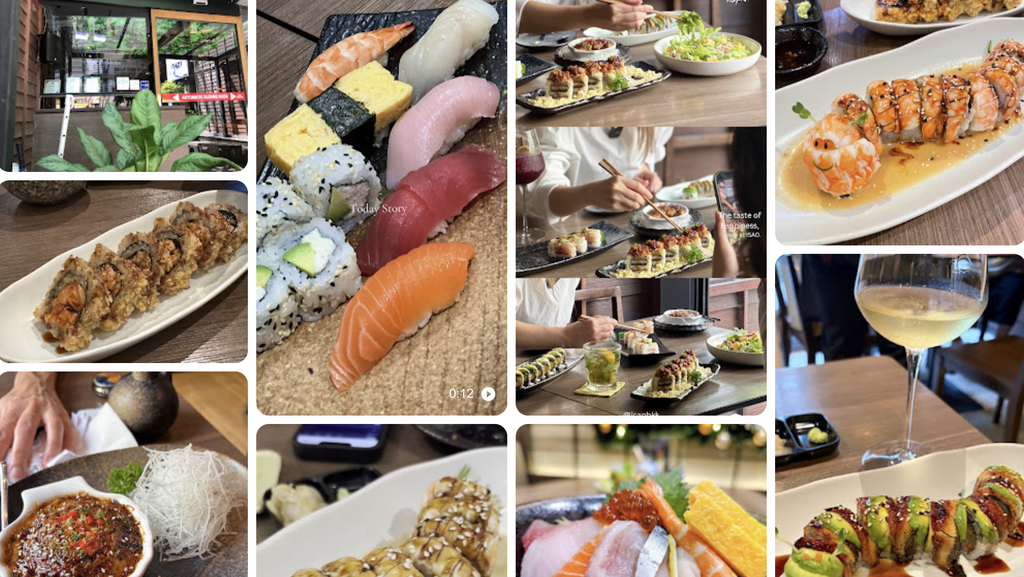
And something important began happening outside.
People queued.
They were not there because they lived nearby. They had travelled across Bangkok specifically to eat at this restaurant.
That changed the equation.
Once customers are willing to travel to a street for one restaurant, the address itself becomes more valuable.
Another restaurateur sees the queue.
A landlord notices the demand.
A chef begins wondering whether a house nearby might work for the next idea.
Restaurant districts are rarely created by committee.
They are created by one successful risk encouraging another.
Isao showed that Soi 31 could support a destination restaurant.
Others followed.
Rome Arrives in the Soi
In 2013, Paolo Vitaletti and Jarrett Wrisley opened Appia.
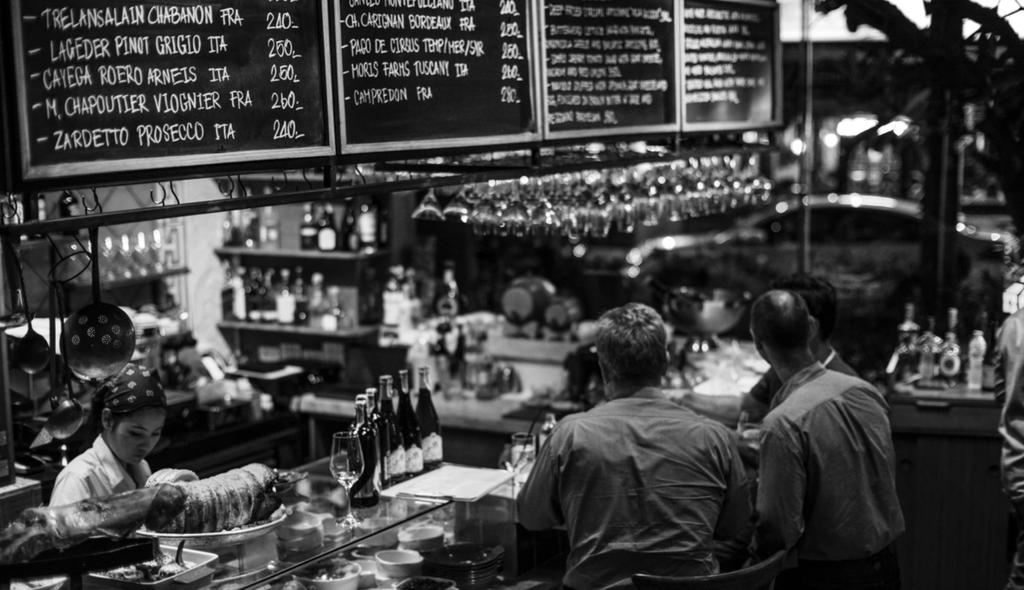
Paolo brought Rome.
Not a generic Italian menu designed to offend nobody, but food with a clear regional identity.
Jarrett understood how to turn that identity into a Bangkok restaurant.
Together, they represented a new confidence in the city’s dining scene.
The earlier neighbourhood restaurant succeeded by being familiar.
Appia succeeded by being specific.
It trusted diners to care about the difference between Roman cooking and the broad category called “Italian food.”
That may sound obvious today. It was less obvious then.
Appia helped move Soi 31 from a street with good restaurants to a street where chefs came with strong points of view.
Paolo and Jarrett later helped create Peppina, bringing the same confidence to Neapolitan pizza.
By now, the Italians had created several different versions of Italy within the same neighbourhood.
Bella Napoli offered familiarity.
Antonio offered personal hospitality.
Appia brought Rome.
Peppina brought Naples.
Soi 31 was beginning to collect personalities rather than simply restaurants.
Masato Behind the Counter
Then came Masato Shimizu.
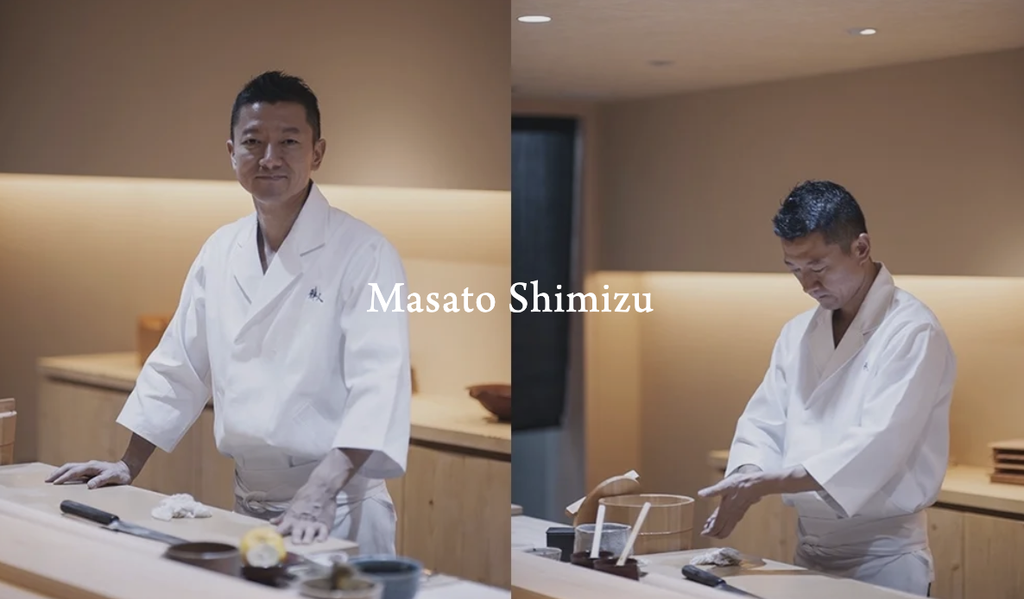
Michelin starred Japanese chef
Sushi Masato offered almost the opposite kind of hospitality from Antonio’s.
Antonio moved through the room, greeting people.
Masato remained behind the counter, concentrating on the food.
The experience was smaller, quieter and more controlled. Diners placed themselves in the chef’s hands and waited to see what he would serve next.
But the two restaurants had something important in common.
Both depended upon the individual whose name was above the door.
You were entering Antonio’s world or Masato’s world.
And once again, Soi 31 provided the right setting.
A high-end omakase restaurant did not require a grand commercial frontage. The hidden location added to its appeal.
On this soi, being slightly difficult to find could make a restaurant feel more desirable.
Deepanker Sees the Garden
At Haoma, Deepanker Khosla looked at the property and saw more than a house with some trees around it.
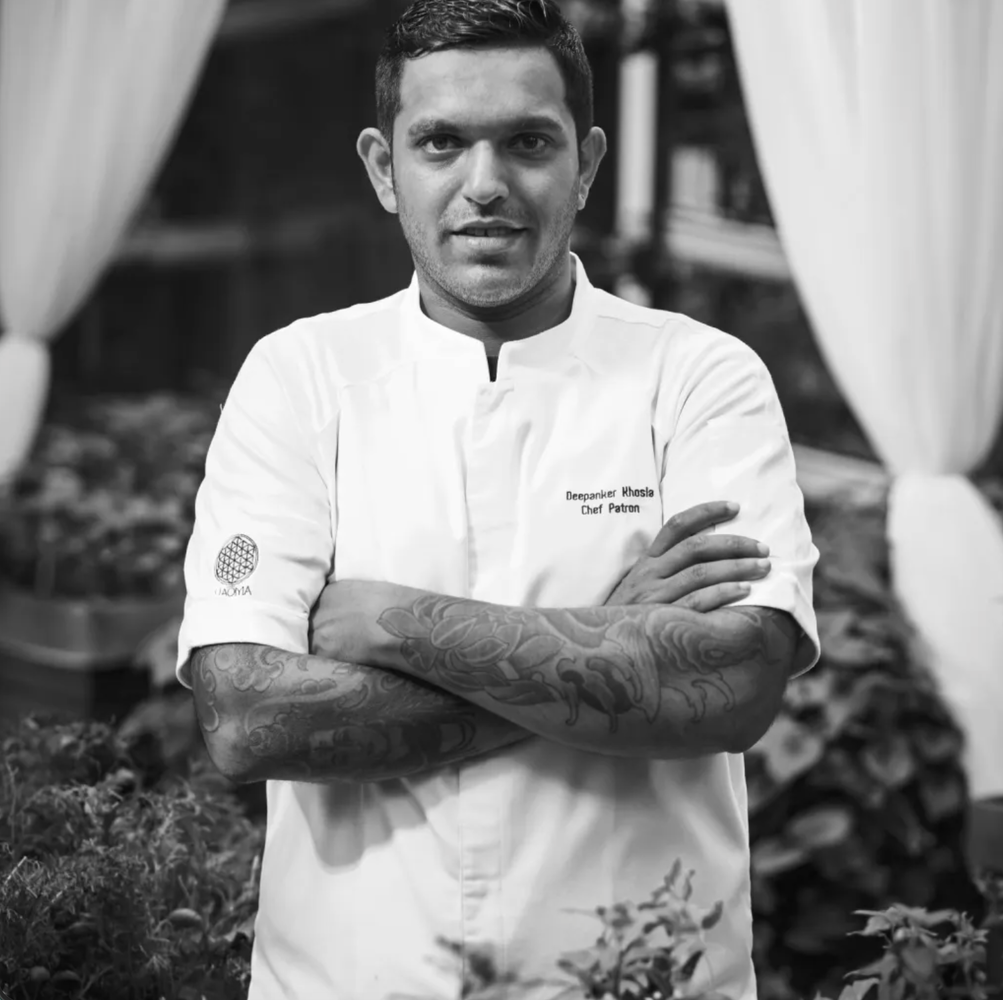
Deepanker “DK” Khosla turned Haoma’s garden into part of the restaurant itself—making sustainability, produce and place central to the dining experience
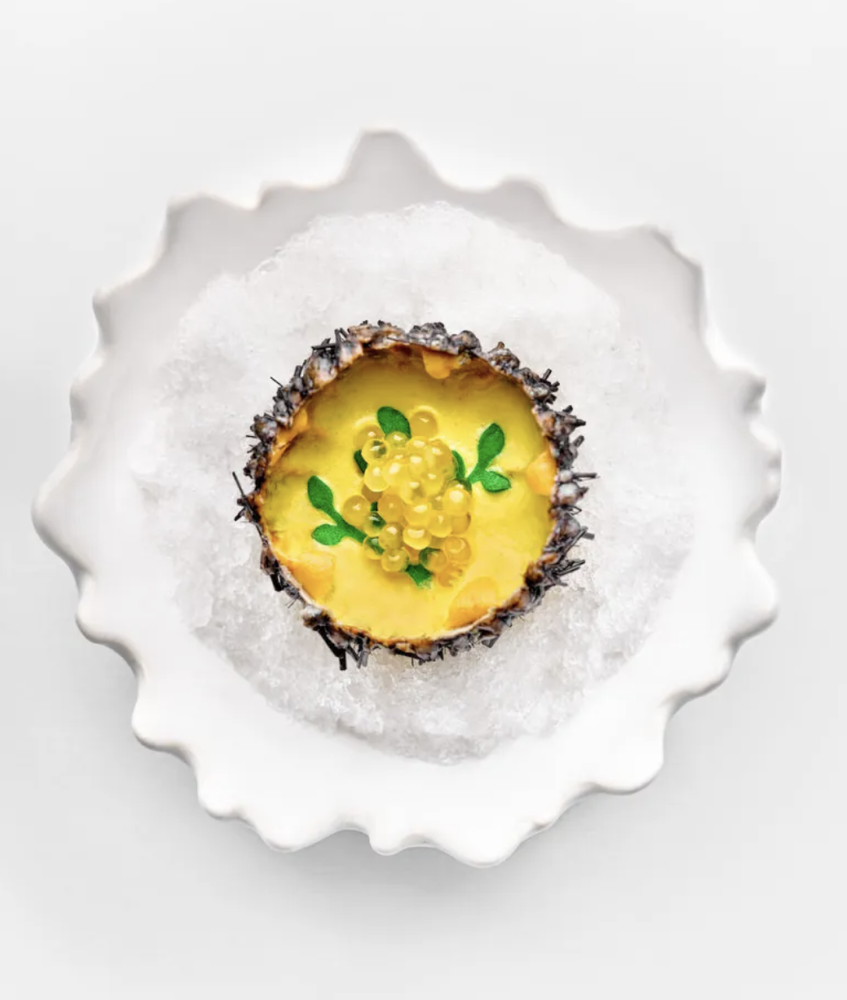
He saw a garden that could become part of the restaurant.
He grew produce, developed an urban farm and connected the menu to ideas about sustainability.
The greenery was not simply there to make the restaurant attractive.
t became part of the reason the restaurant existed.
That was another step in the evolution of Soi 31.
The restaurant was no longer selling only food or hospitality.
It was selling a philosophy.
And Haoma could not have told the same story from inside a shopping centre.
It needed space.
It needed the old house.
It needed the garden.
Deepanker took one of the qualities inherited from residential Soi 31 and gave it an entirely new purpose.
Then Gaggan Moved In
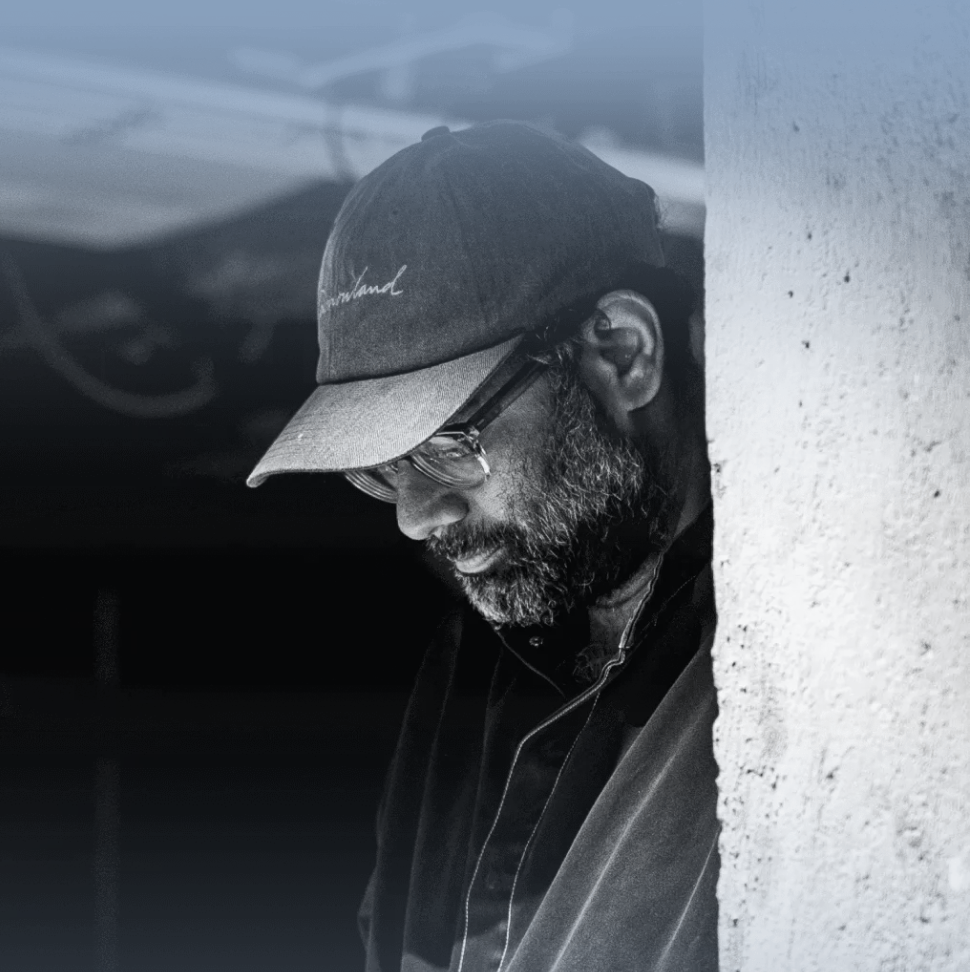
Gaggan Anand brought his culinary theatre to No. 68—and put Soi 31 on the global dining map
In 2019, Gaggan Anand moved into Number 68.
This was different.
Gaggan did not arrive hoping that Soi 31 would make him famous.
He was already one of the most recognisable chefs in Asia.
He brought the audience with him.
People travelled to Bangkok to eat his food. Some may have discovered Soi 31 only because Gaggan had chosen to open there.
His arrival pushed the soi into a different league.
Antonio had created a restaurant around personal hospitality.
Masato had created one around precision.
Deepanker had built one around sustainability.
Gaggan turned dinner into theatre.
The food, music, pacing and interaction all became part of a performance.
At the same address, Ms. Maria & Mr. Singh combined Indian and Mexican ideas in a way that sounded unlikely until Gaggan made it feel inevitable.
By then, the evolution was impossible to miss.
Soi 31 had travelled from dependable family restaurants to one of Asia’s most discussed dining experiences.
And it had done so without losing the walls, gardens and hidden entrances that made the street distinctive in the first place.
The Crab Arrives with a Reputation
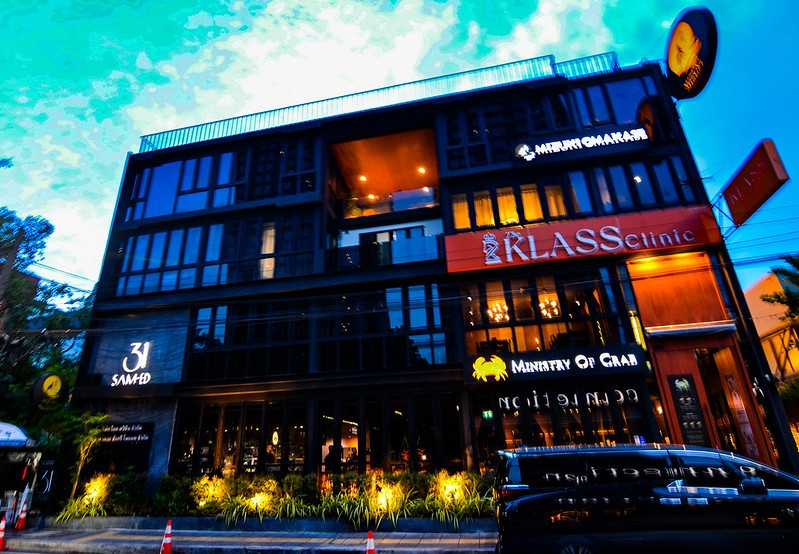
Ministry of Crab brought Colombo’s celebrated crab culture to Soi 31—and confirmed the street’s arrival as an international dining address
Dharshan Munidasa brought another kind of confidence to the soi with Ministry of Crab.
This restaurant did not arrive quietly and wait to be discovered.
It came from Colombo with a reputation already established.
The enormous crab outside made the proposition fairly obvious.
Its arrival showed that Soi 31 had become the sort of address recognised chefs and international restaurant concepts actively wanted.
Earlier restaurateurs had helped make the soi credible.
Now that credibility was attracting brands from elsewhere.
The direction of travel had changed.
At first, restaurants benefited from being on Soi 31.
Eventually, Soi 31 benefited from the names choosing to locate there.
The New Restaurants Want Your Whole Day
Now look at the newer generation.
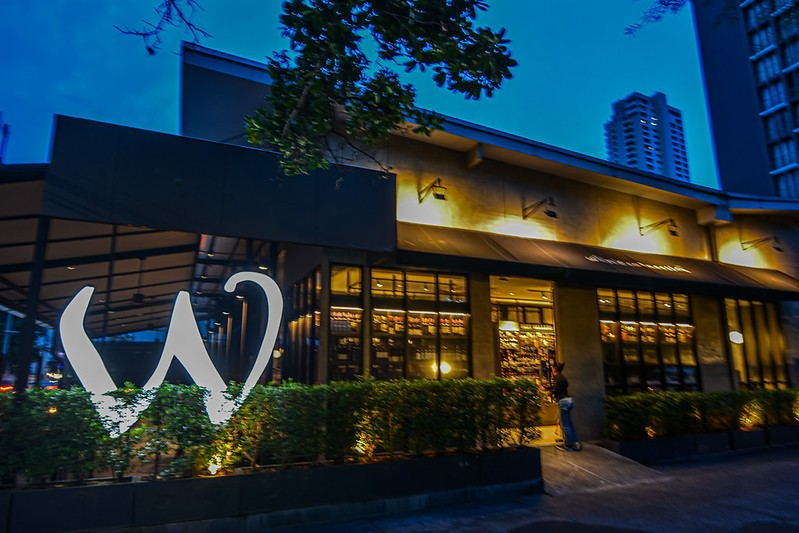
Wine Connection Bistro
Chu.
Wine Connection.
Treehouse.
Luka.
Chenin.
They do not operate like the old dinner houses.
They want you in the morning for coffee.
They want you at lunch.
They want your laptop in the afternoon, your wine order in the evening and perhaps dinner after that.
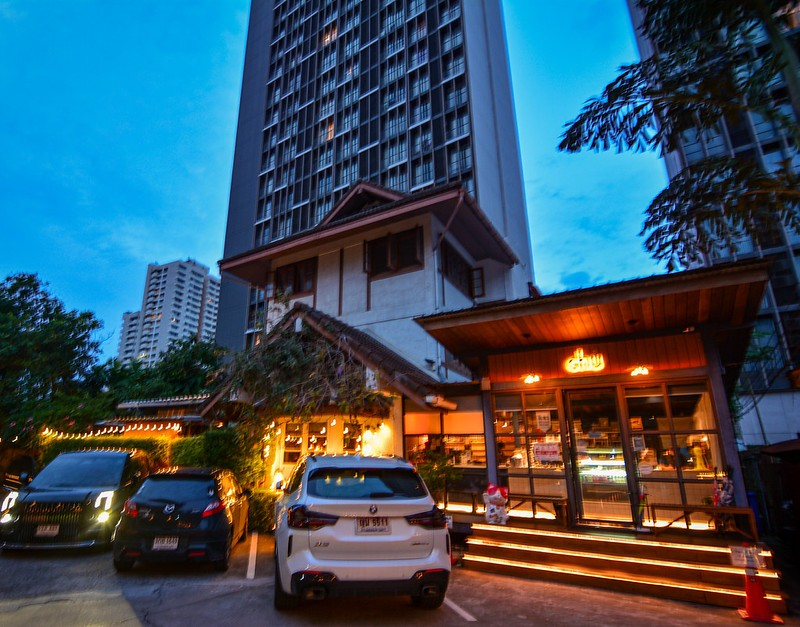
Chu
The older restaurant waited for you to arrive for a meal.
The newer one tries to become part of your day.
This has changed the rhythm of the street.
Soi 31 wakes earlier now.
People arrive with children, dogs, computers and no firm idea of how long they plan to stay.
The boundaries have blurred.
The café is also a restaurant.
The restaurant becomes a bar.
The bar hosts events.
The garden becomes a social space.
These businesses are not selling only food.
They are selling somewhere to be.
The Euro Inn Becomes Public House
And then we reach Public House.
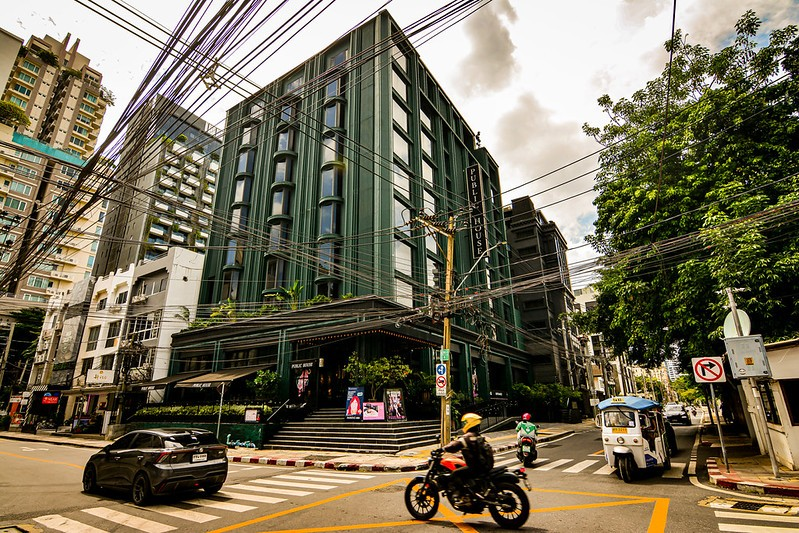
Public House transformed the old Euro Inn into a contemporary social hotel—linking Soi 31’s independent character with the energy of the EM District
This was once the Euro Inn, later the Euro Grande—a practical hotel from another generation of Bangkok tourism.
You checked in, slept and left.
Then Paul and Angie Sachdev looked at the old property and imagined something entirely different.
Public House opened in 2023 with restaurants, music, events, workspaces and social areas intended not just for hotel guests, but for Bangkok residents as well.
The old hotel served the traveller.
The new hotel wanted to participate in the neighbourhood.
Its timing was almost perfect.
Emsphere was completing the EM District nearby, bringing even more people into Phrom Phong. Public House gave some of them a reason to move beyond the malls and into Soi 31.
But Public House also benefited from everything that had come before it.
Antonio, Isao, Appia, Haoma, Sushi Masato and Gaggan had already made the street worth exploring.
Paul and Angie did not open in an unknown location.
They opened in a soi whose personality had been built over decades by other entrepreneurs.
The EM District brought people into Phrom Phong.
Soi 31 persuaded them to remain in the neighbourhood.
What They All Saw
As we walk back towards Sukhumvit Road, it becomes clear that the people behind Soi 31 were not all chasing the same opportunity.
Sarun saw two completely different hotel customers facing each other across the entrance.
Antonio saw a house in which guests could be welcomed personally.
Isao proved that Bangkok would queue.
Paolo and Jarrett saw diners ready for a more specific kind of Italian restaurant.
Masato saw customers prepared to trust the chef.
Deepanker saw a garden that could become a philosophy.
Gaggan saw a stage.
Dharshan saw a Bangkok address for a restaurant born in Colombo.
Paul and Angie saw that an ageing hotel could become a social meeting place.
That is how Soi 31 changed.
One person looked at a house, a garden, a small plot or an old hotel and saw something that was not there yet.
Then they took the risk.
The doors opened.
Bangkok came.
And somebody else began searching for a property nearby.
One Last Look
Before we leave, turn around.
S31 and S Box face each other at the entrance.
Farther inside are restaurants, gardens, houses and hotels created by people with completely different ideas.
Soi 31 never became as loud as Soi 11.
It did something more subtle.
It remained residential enough to feel private while becoming commercial enough to attract some of Bangkok’s most ambitious chefs and entrepreneurs.
The walls remain.
The trees remain.
The entrances are still partly hidden.
But behind them, the street has completely changed.